Industrial Coatings & Projects
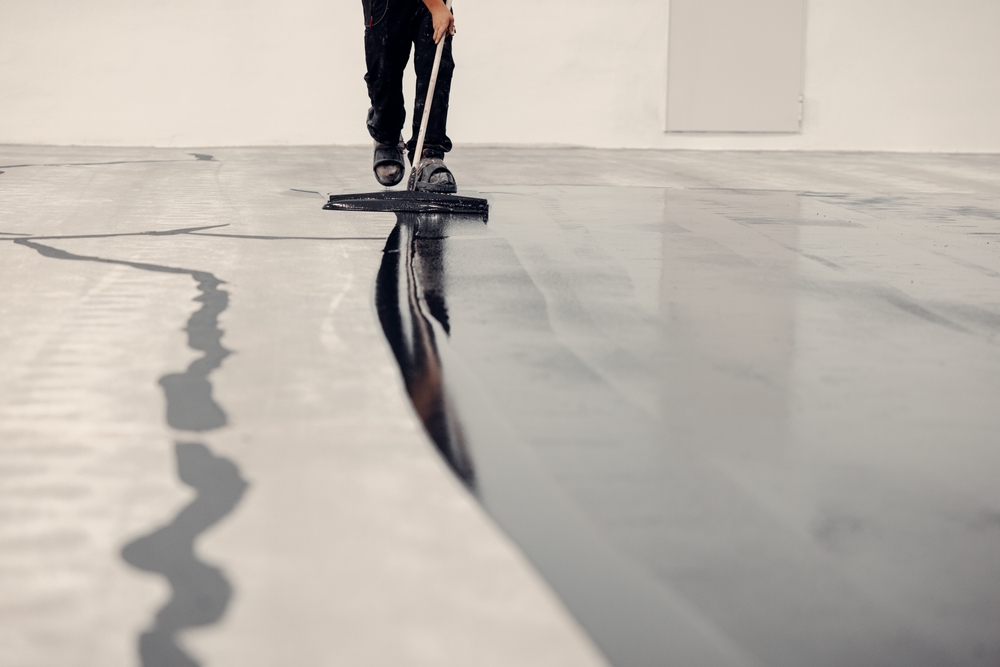
Industrial Projects Planned Around Production
Safe, compliant, disruption-conscious execution for active manufacturing environments.
- Align project timelines with shutdown windows and production schedules
- Integrate safety planning, lockout/tagout, containment, PPE, traffic flow, and odor or VOC controls
- Manage curing timelines and critical-path activities to protect production uptime
Services We Provide
Epoxy Flooring
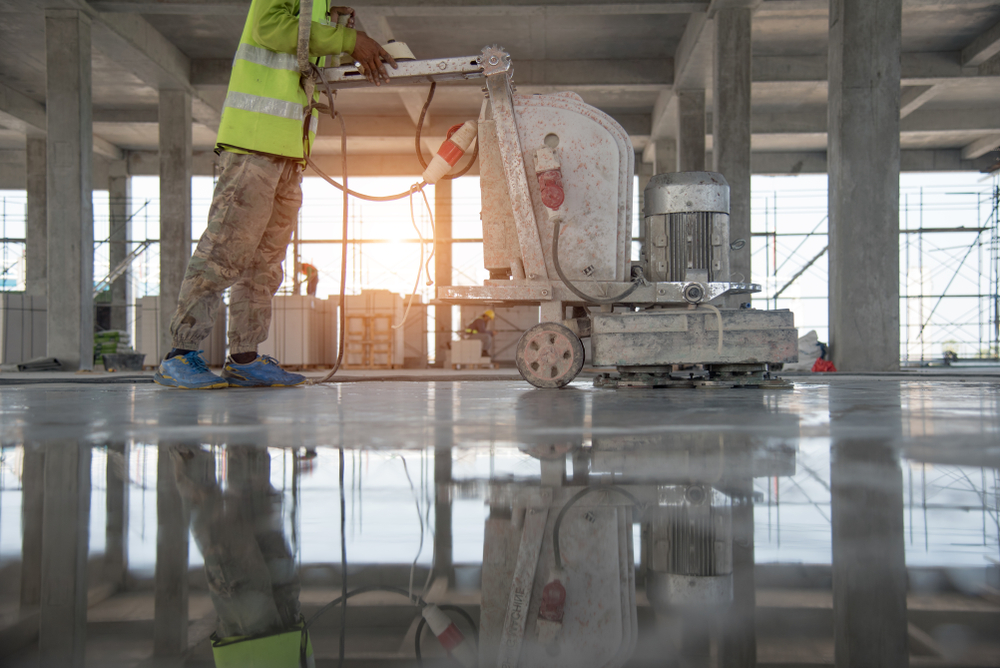
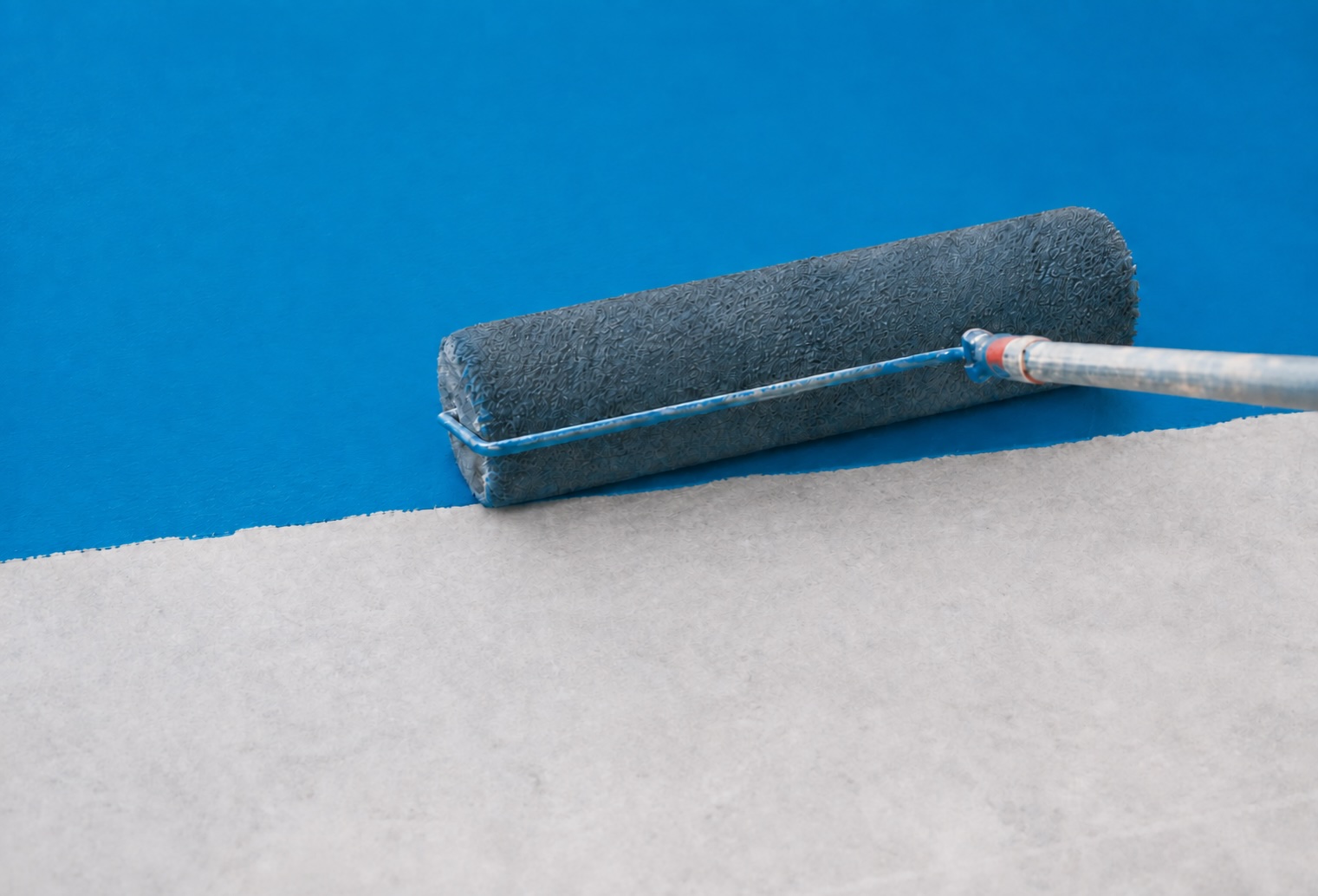
LACOSTA provides epoxy floor coating, safety striping, concrete floor polishing, and concrete repair with a structured project approach. Work is planned around traffic patterns, production access, surface preparation, containment, curing requirements, safety controls, and customer schedules to support durable results without unnecessary operational disruption.
Interior/Exterior Painting
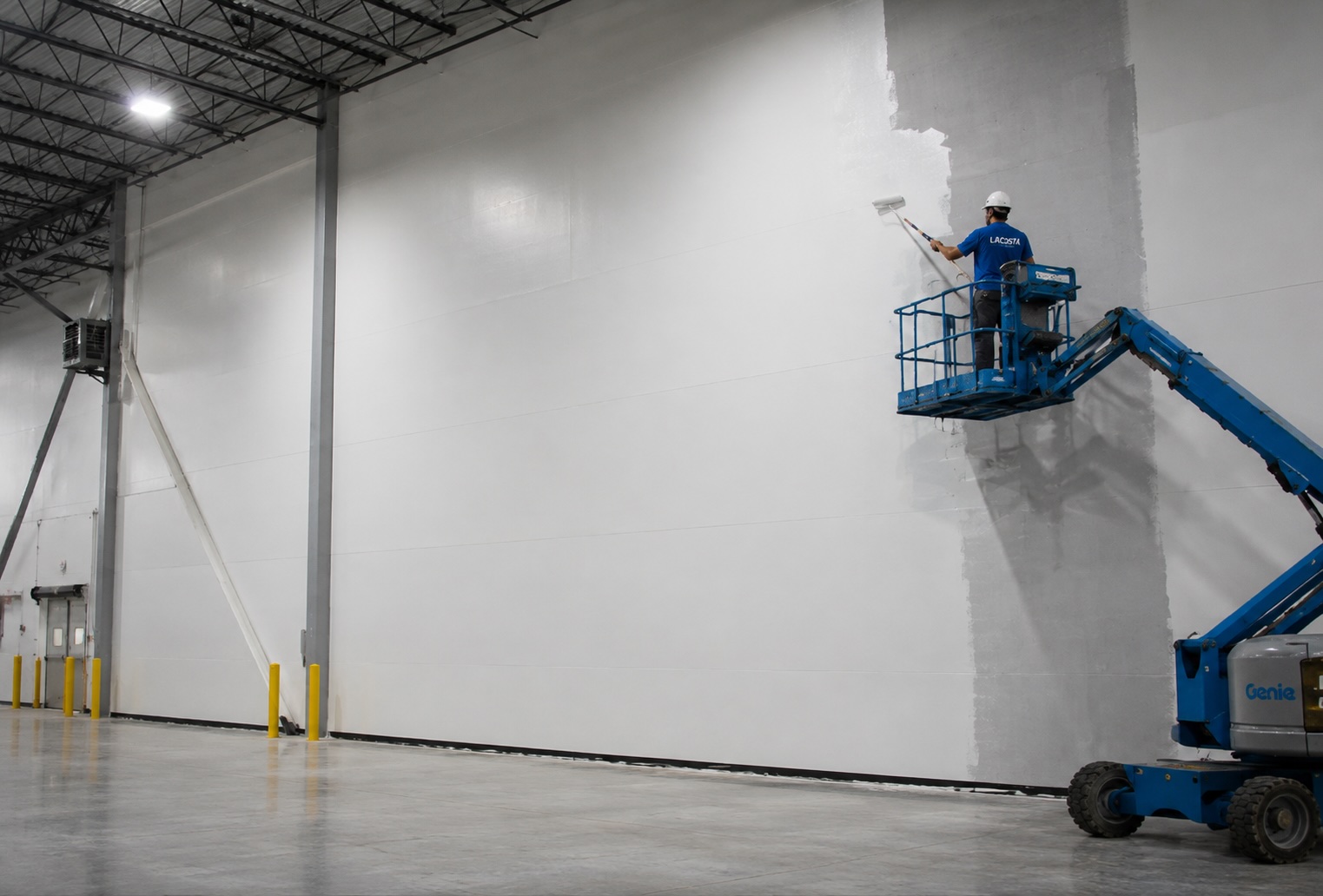
Our commercial and industrial painting services are coordinated with customer operations, facility access, production schedules, containment needs, PPE requirements, and odor or VOC controls. Project planning, documented procedures, trained teams, and active oversight help ensure safe, consistent, and disruption-conscious execution.
Machinery Painting
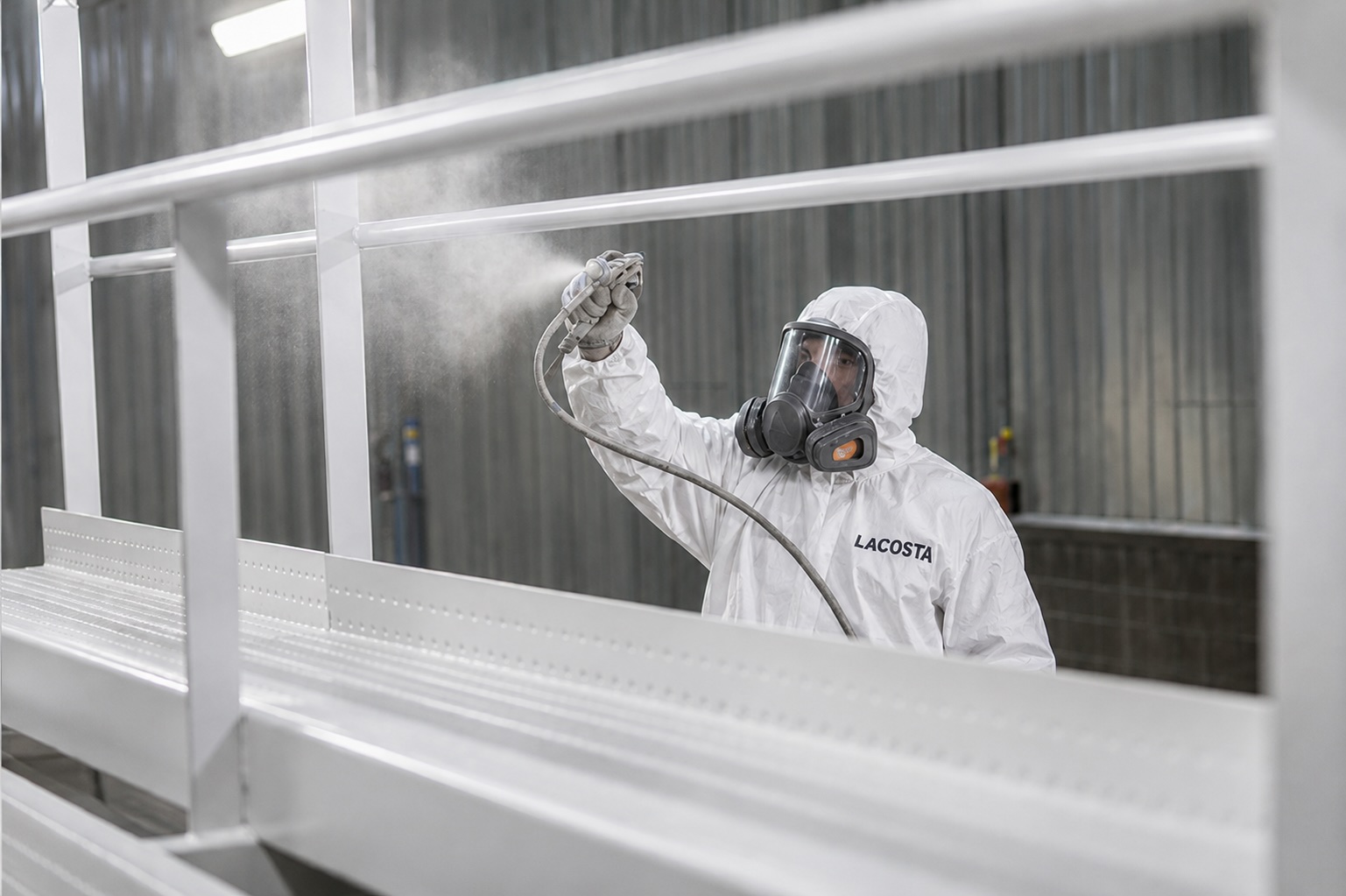
LACOSTA supports industrial equipment cleaning and coating, abrasive blasting, exterior pressure washing, high dusting and cleaning, aisle layout and striping, parking-lot striping and stenciling, and other specialized facility projects. Each project is planned with production, maintenance, safety, and facility stakeholders to protect equipment, facility integrity, and uptime.
Testimonials
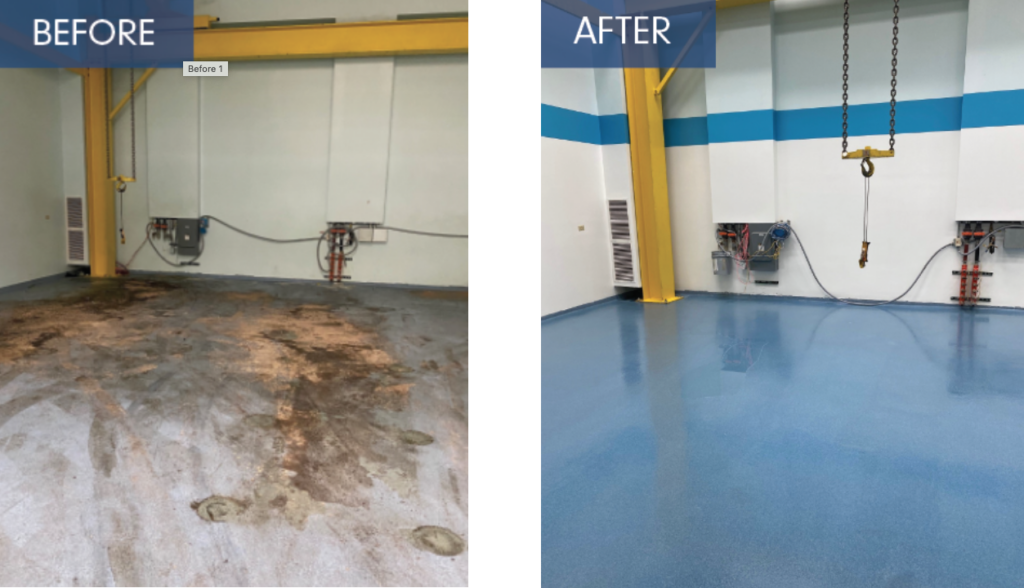
Before & After
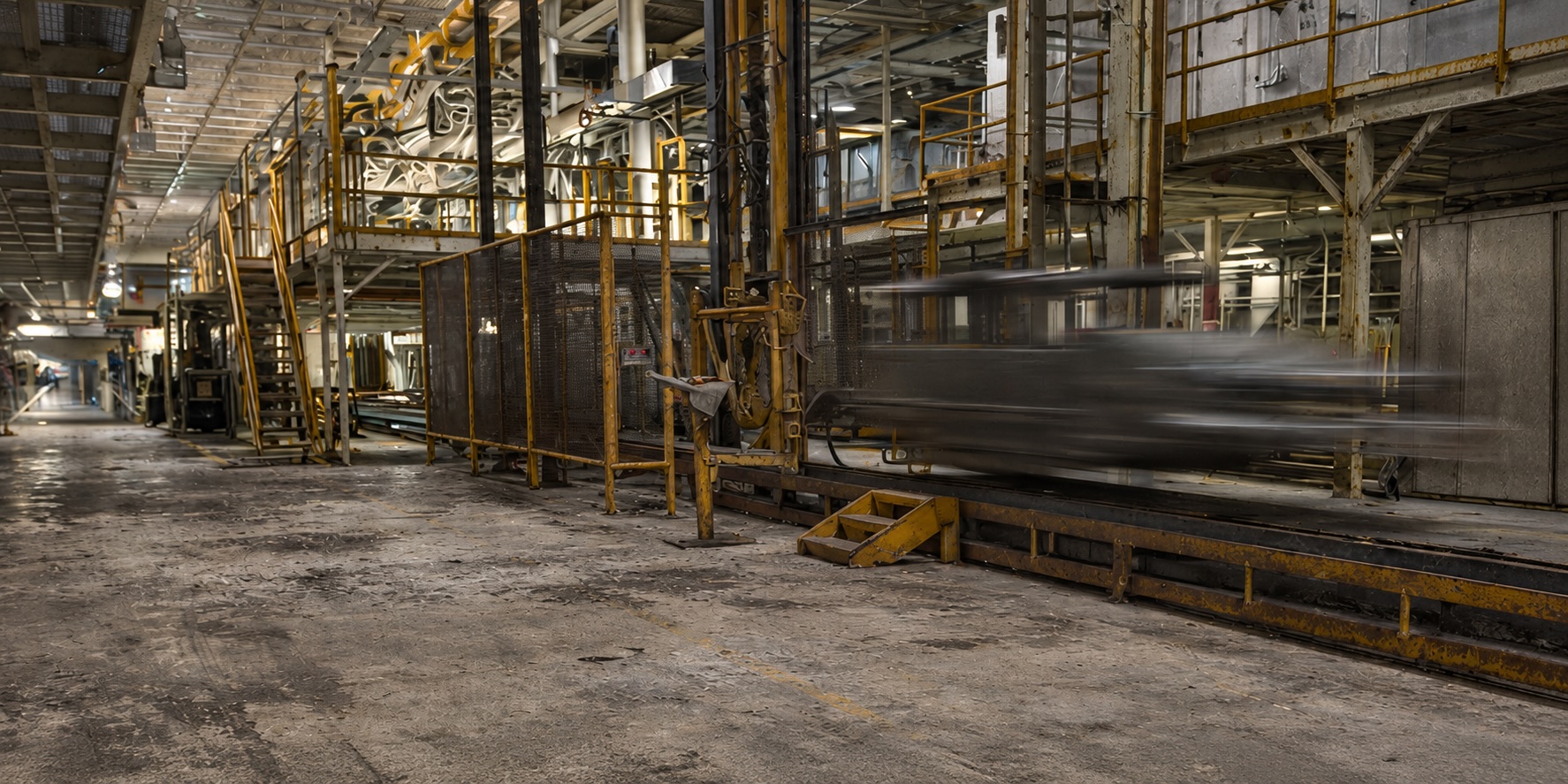
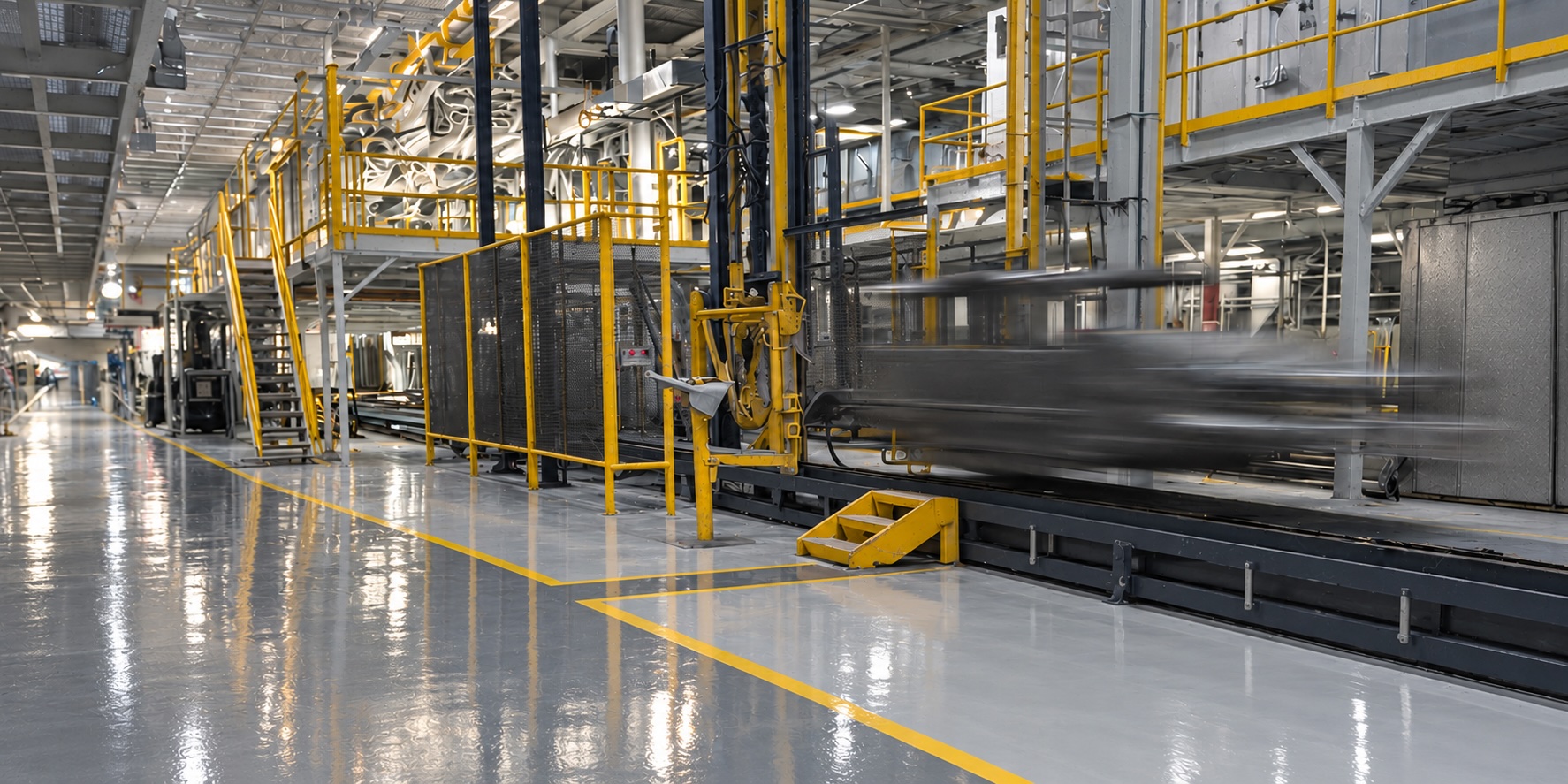
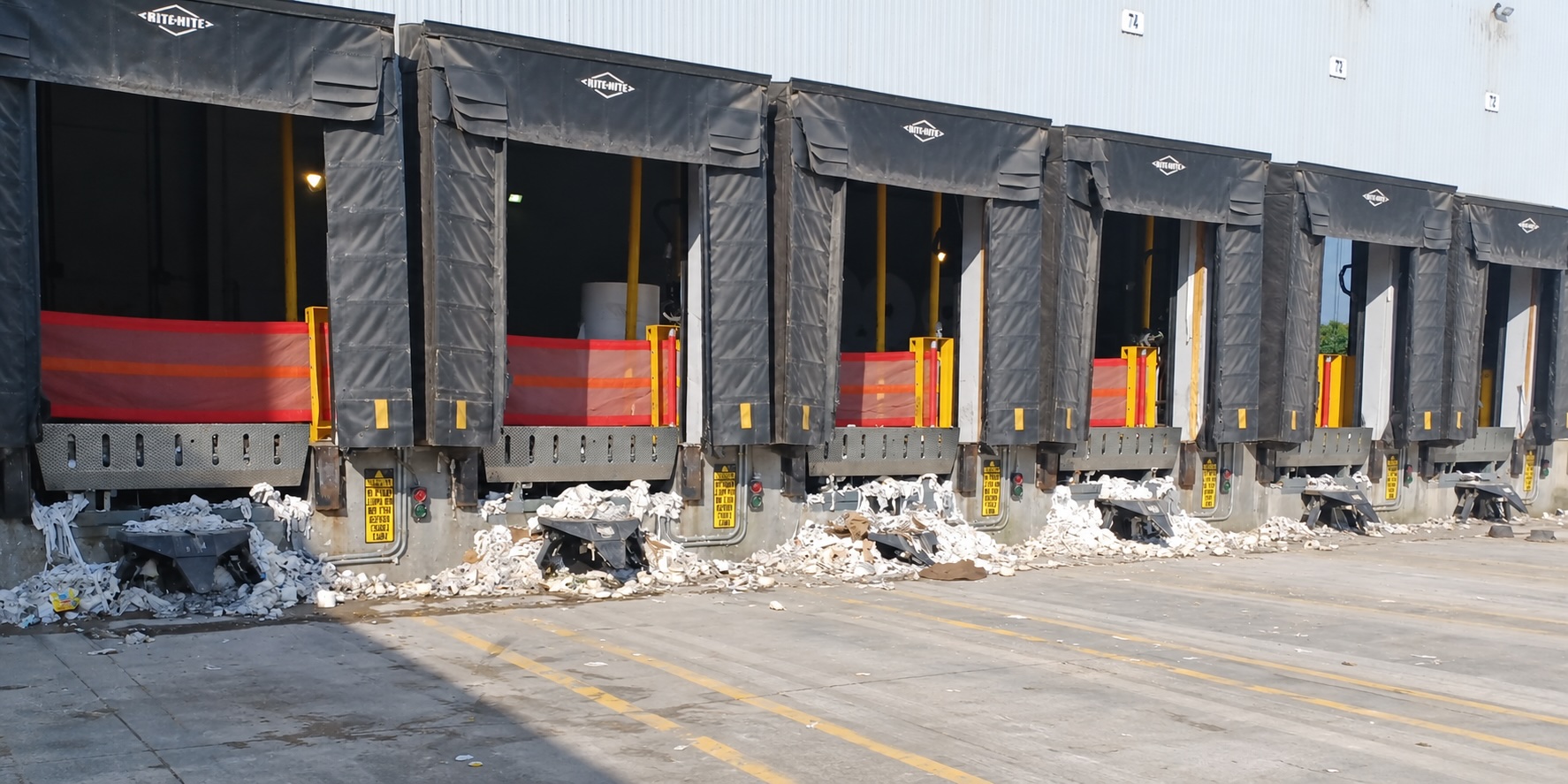
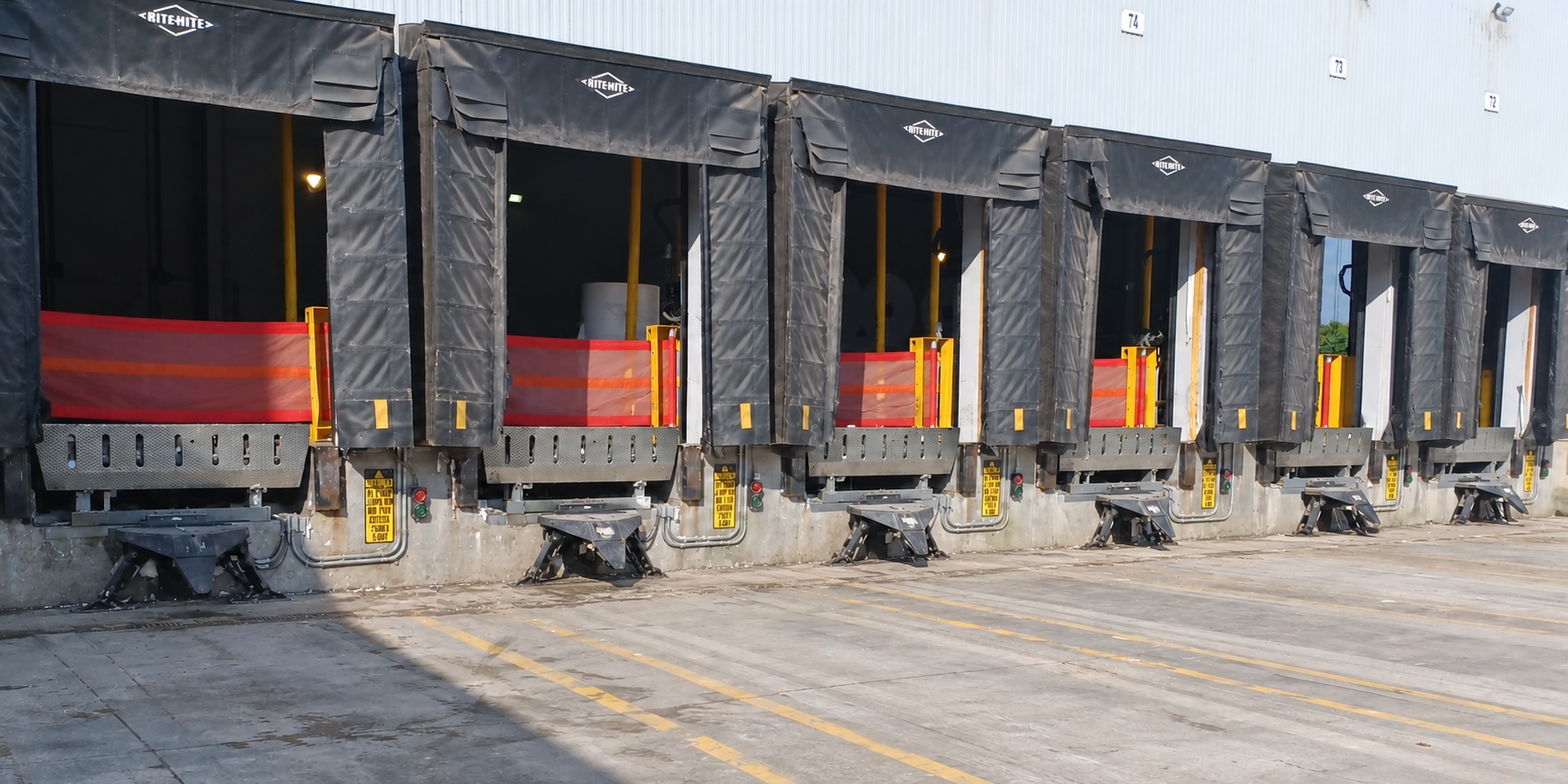
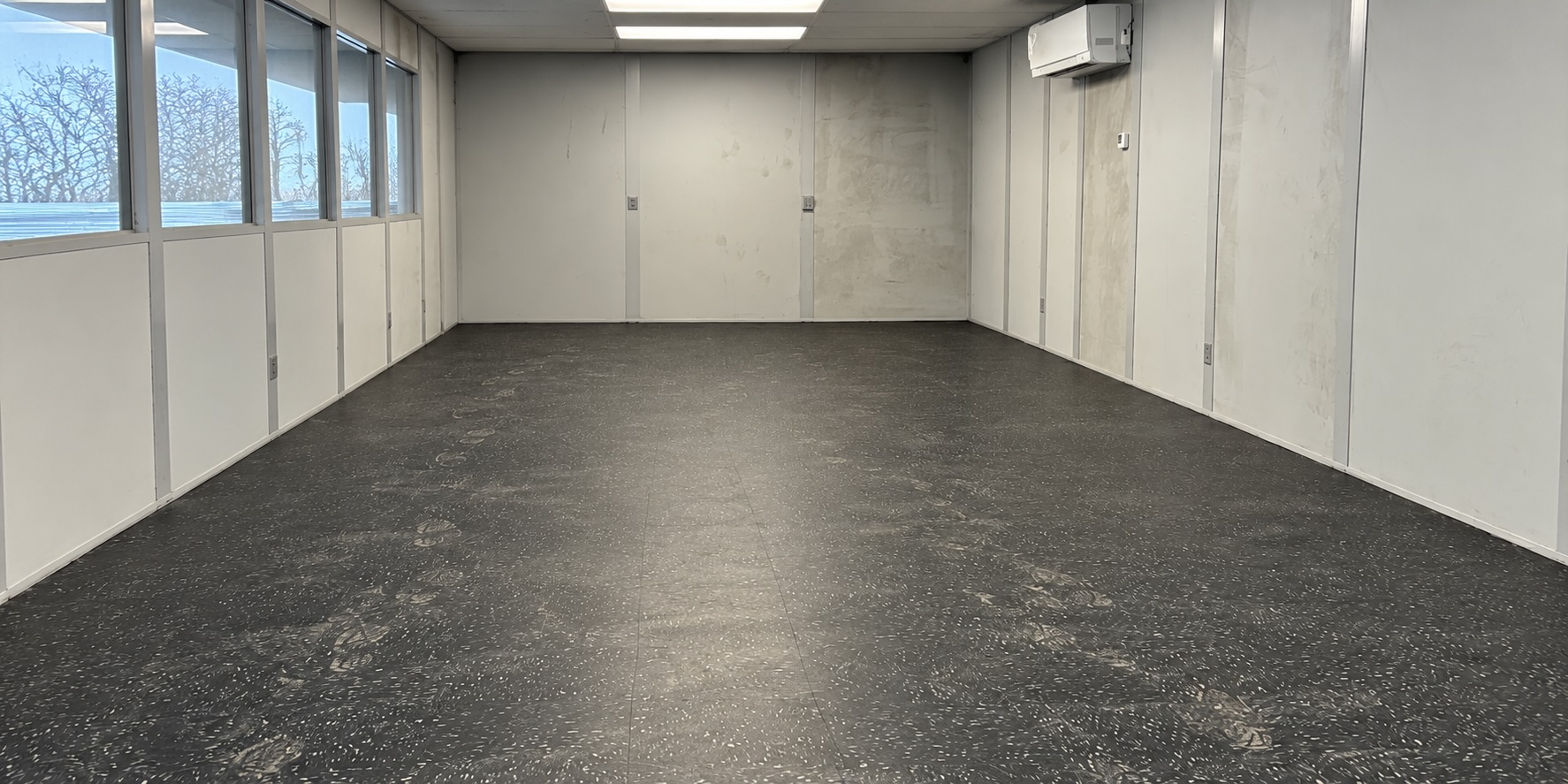
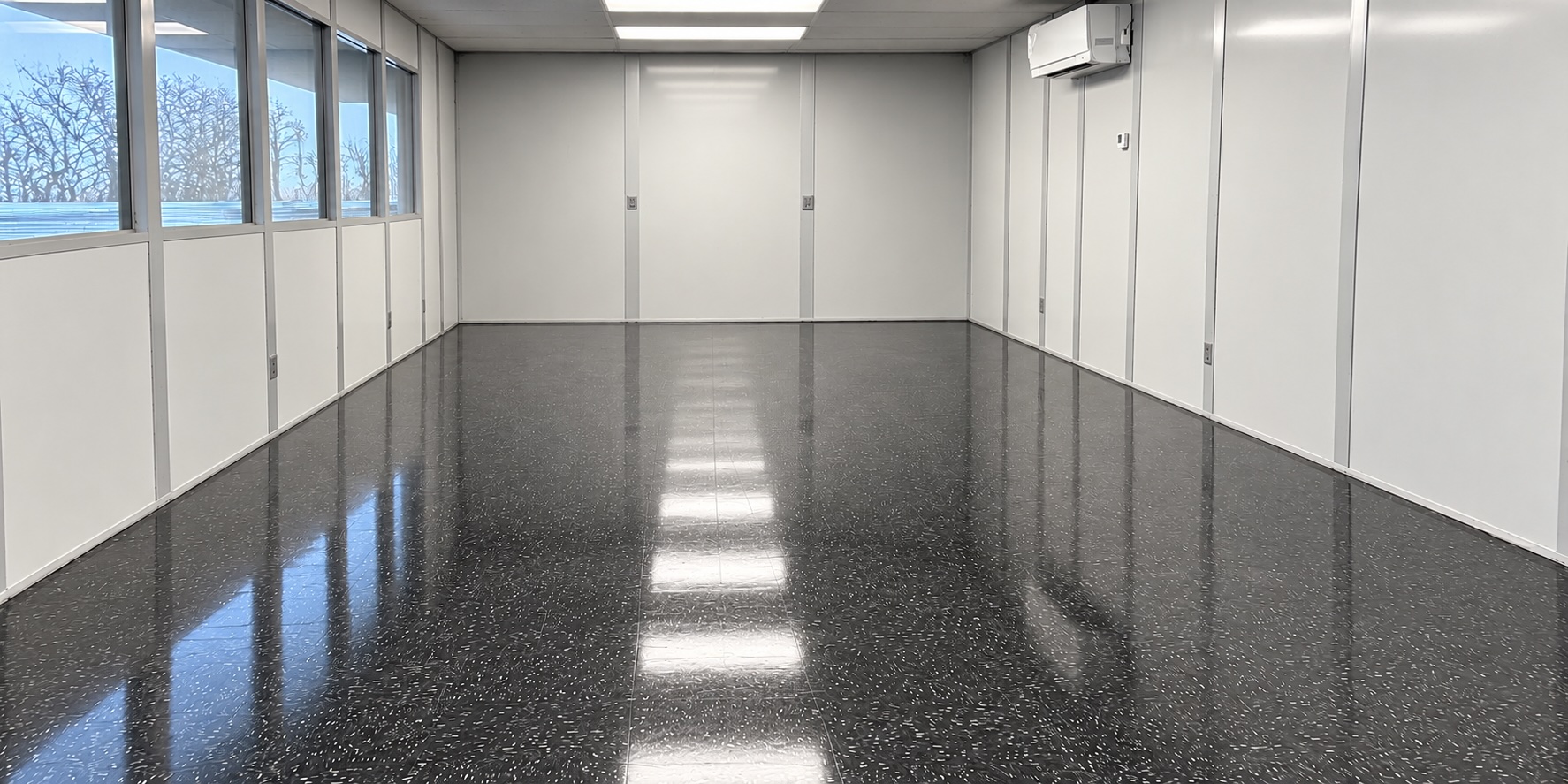
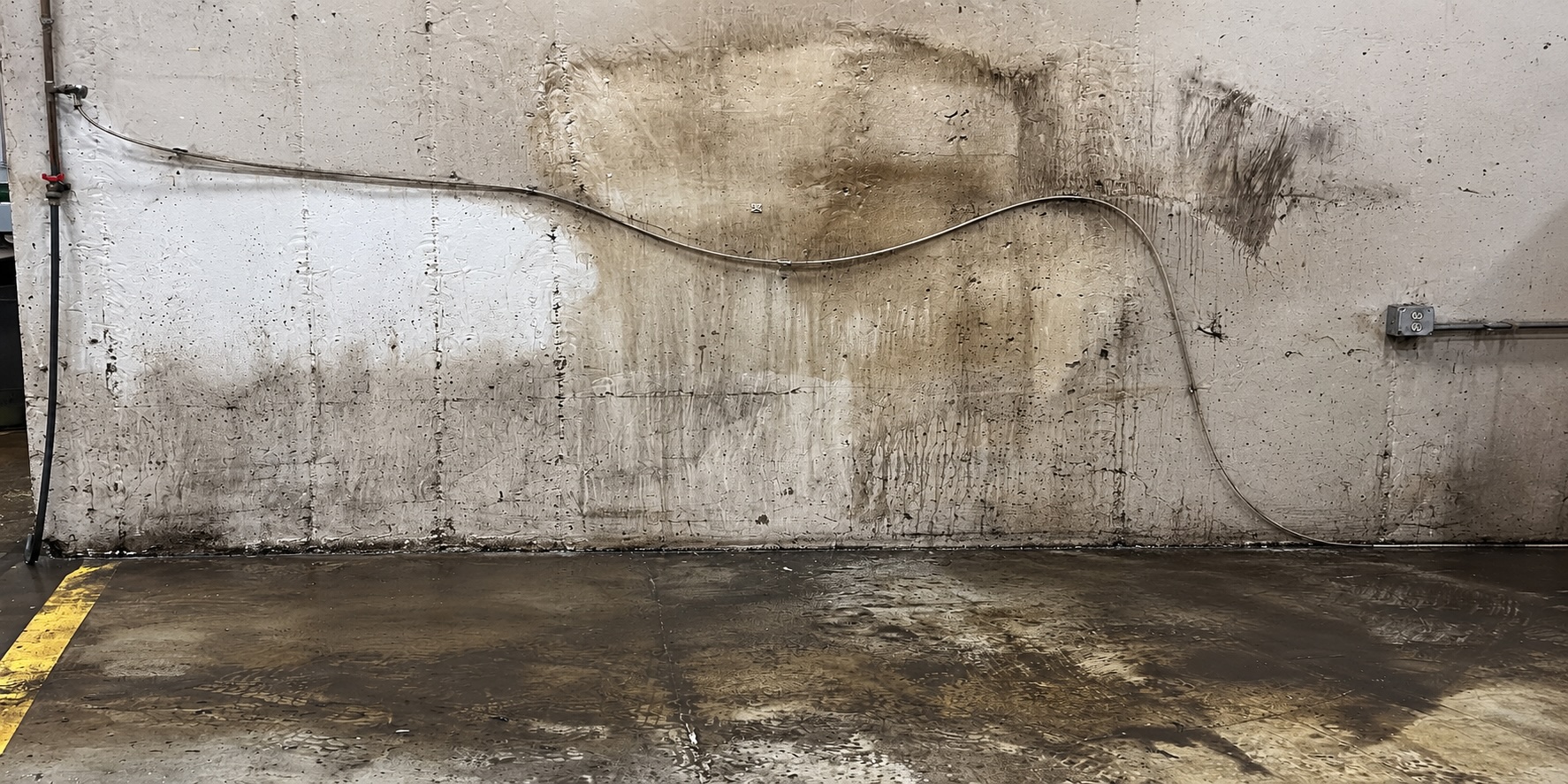
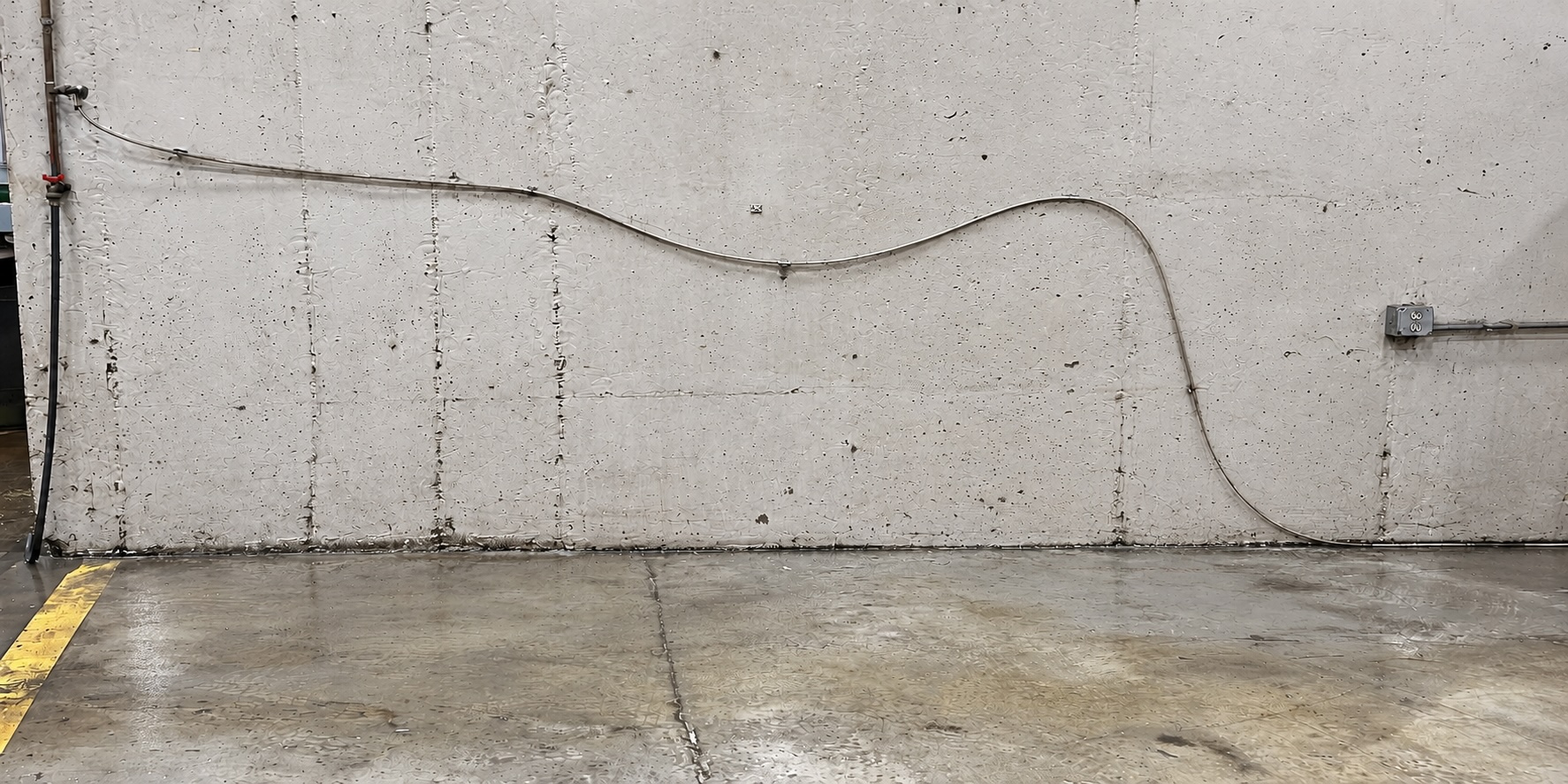
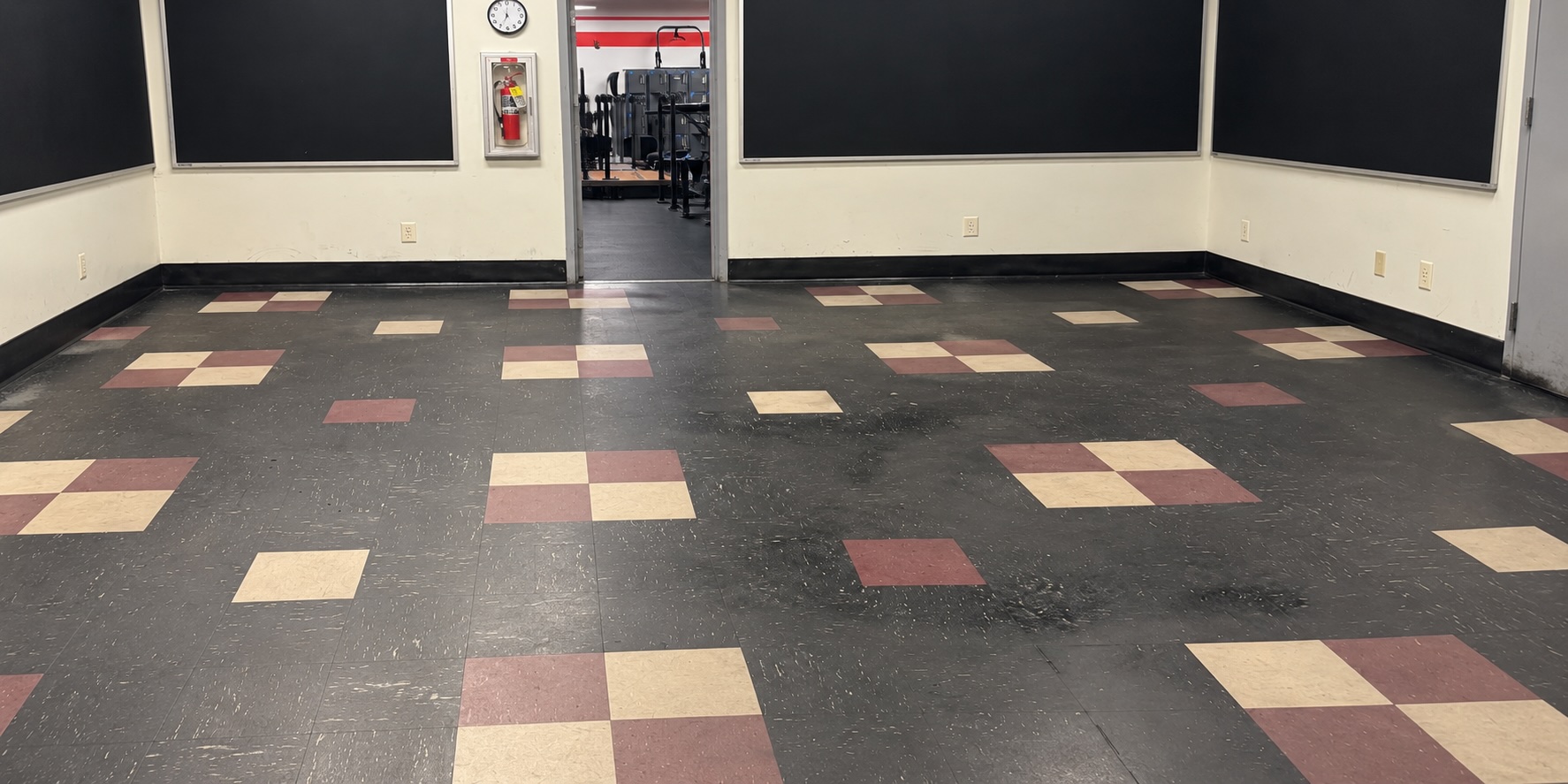
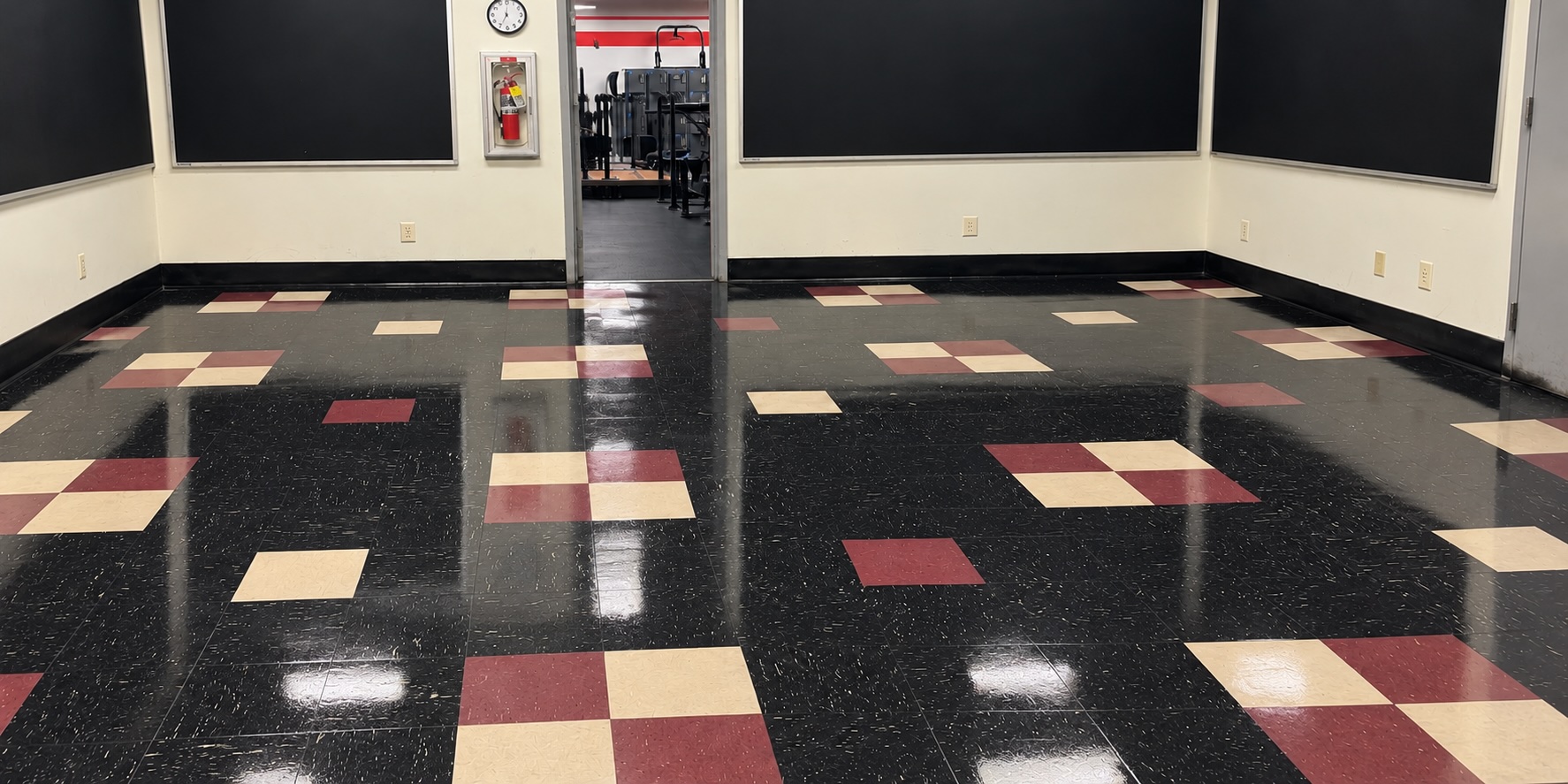
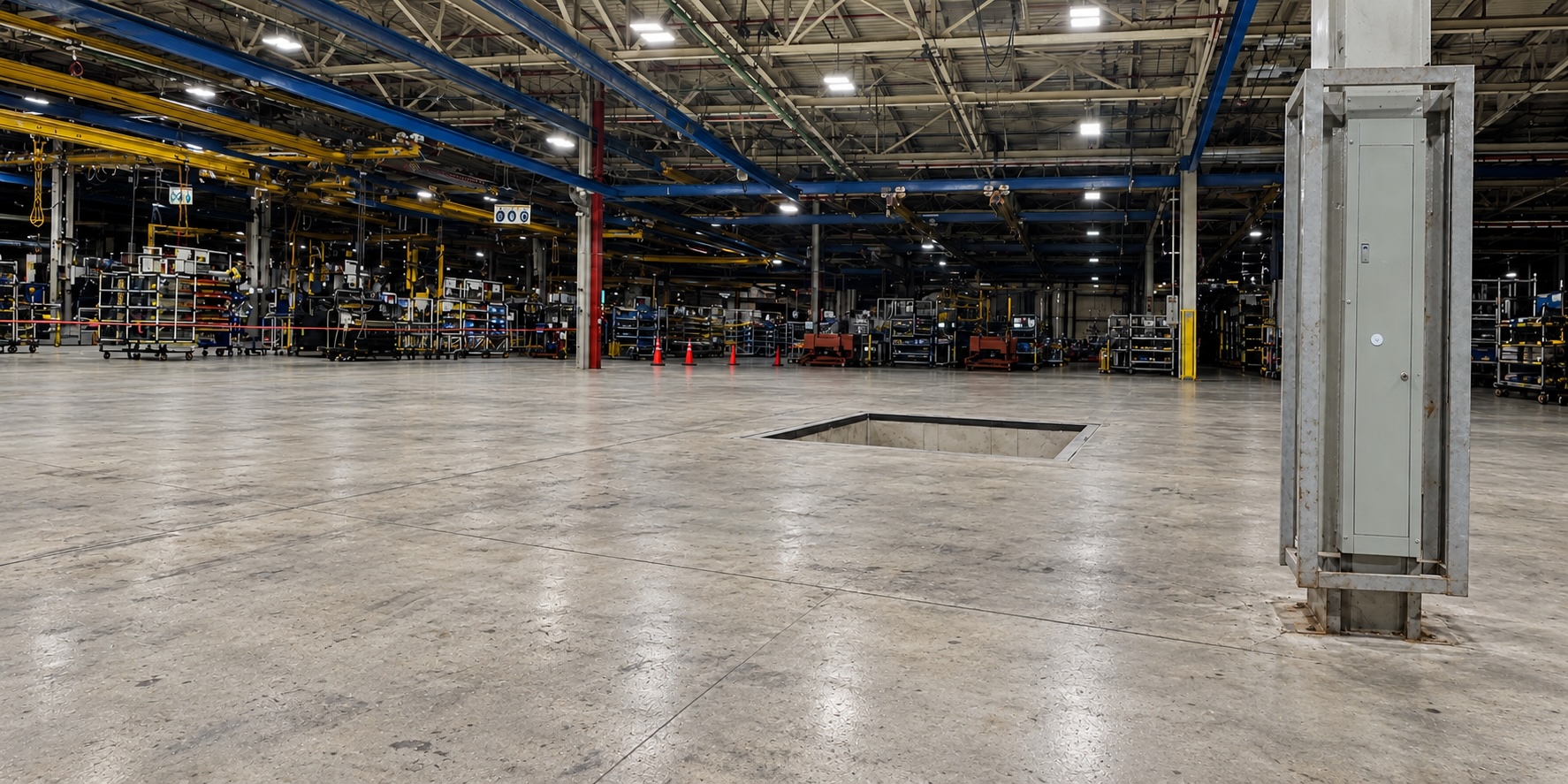
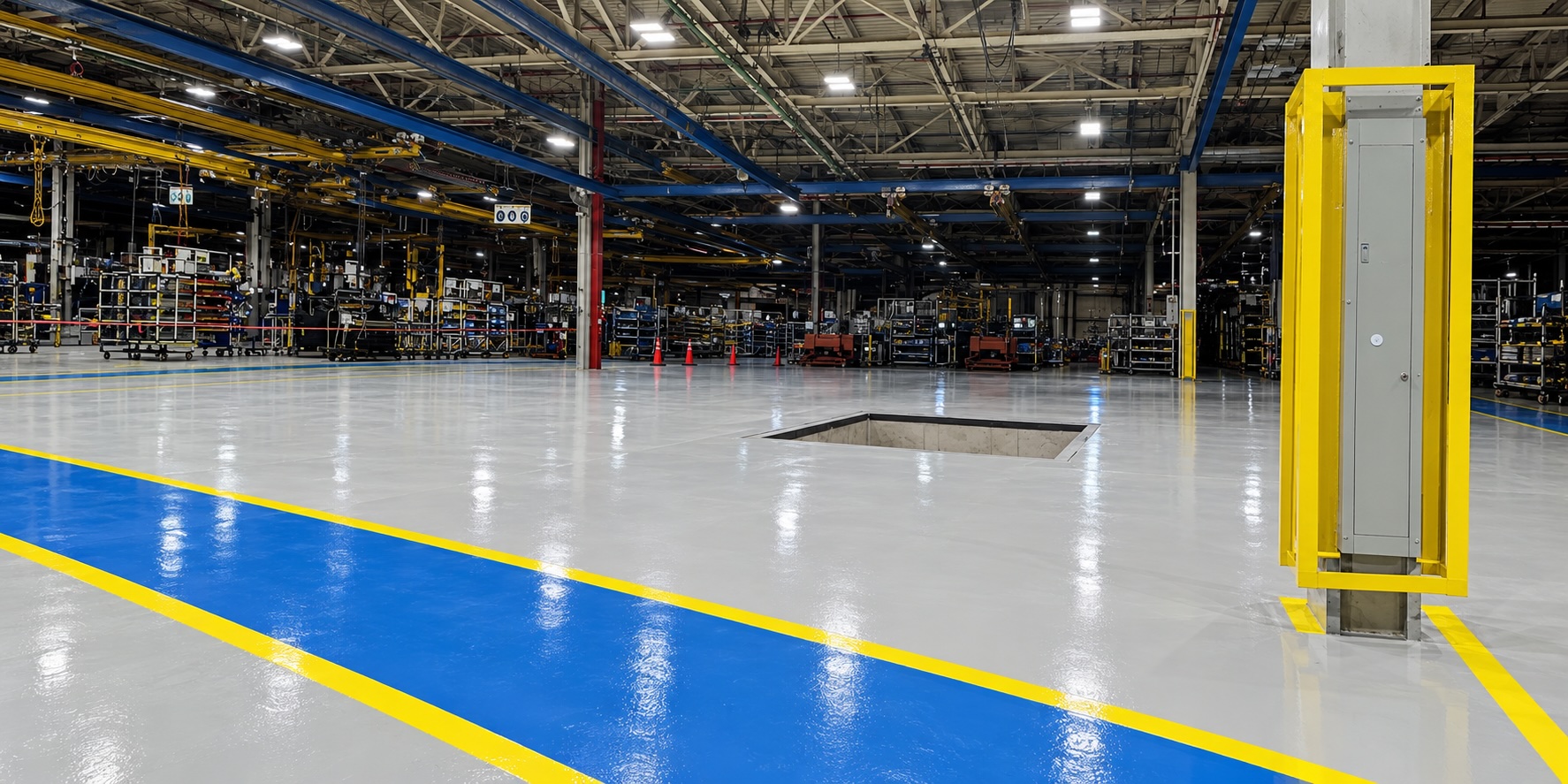

Every task, audit, KPI, and service metric tracked and documented electronically
Accreditations


Frequently Asked Questions
What are industrial painting and coating services?
Industrial painting and coating services involve applying protective and performance-driven coatings to floors, equipment, and facility surfaces in demanding environments. These services help prevent corrosion, improve durability, and maintain safe, functional workspaces. LACOSTA specializes in delivering these solutions in high-use industrial settings where standard painting contractors fall short.
Why are industrial coatings important for manufacturing facilities?
Manufacturing environments put constant stress on surfaces—from heavy machinery and foot traffic to chemicals and moisture. Industrial coatings protect against wear and damage, extend the life of assets, and help maintain a safer, more efficient workspace.
How is LACOSTA different from traditional painting contractors?
Most painting contractors focus on appearance. LACOSTA focuses on performance in tough environments.
We take on the hard, high-impact work—including coating systems built to withstand heavy traffic, equipment use, and harsh conditions. Our teams are trained to work safely in active industrial environments and deliver consistent, long-lasting results.
What types of industrial painting and coating services does LACOSTA provide?
LACOSTA provides a full range of industrial painting and coating services, including:
- Epoxy floor coatings and concrete coatings
- Machine and equipment painting
- Interior and exterior industrial painting
- Line striping and safety markings
- Heat-resistant and chemical-resistant coatings
- High-performance coating systems for demanding environments
What types of coatings are used in industrial environments?
Industrial facilities require specialized coatings designed for durability and performance, including:
- Epoxy coatings
- Urethane coatings
- Heat-resistant coatings
- Chemical-resistant coatings
These coatings are built to handle constant use, exposure, and environmental stress.
How do industrial coatings improve safety in the workplace?
Industrial painting and coatings improve safety by:
- Clearly marking walkways, traffic lanes, and hazard zones
- Improving visibility in work areas
- Providing slip-resistant floor surfaces
- Helping organize workflows within the facility
These improvements reduce risk and support a safer work environment.
- Manufacturing facilities
- Warehouses and distribution centers
- Corporate office buildings
- Educational institutions
- Healthcare environments
Can industrial painting and coating be completed without disrupting operations?
Yes. LACOSTA works around your production schedule with flexible planning, including off-shift work, phased projects, and shutdown support. Our goal is to complete projects efficiently while minimizing operational impact.
What are the benefits of epoxy floor coatings in industrial facilities?
Epoxy flooring is a popular solution for industrial environments because it provides:
- High durability and impact resistance
- Protection against chemicals and spills
- Easier cleaning and maintenance
- Enhanced safety with slip-resistant finishes
It’s ideal for facilities where floors take constant abuse.
How does industrial painting help extend the life of equipment and infrastructure?
Protective coatings help prevent corrosion, reduce wear, and shield surfaces from environmental damage. This extends the lifespan of equipment and facility structures while reducing long-term maintenance costs.
What industries benefit from industrial painting and coating services?
Industries that benefit include:
- Manufacturing and production facilities
- Warehouses and distribution centers
- Industrial plants and processing facilities
Any environment with heavy use, equipment, and exposure to harsh conditions can benefit from industrial-grade coatings.
What should you look for in an industrial painting and coating contractor?
Look for a provider that:
- Has experience in industrial environments
- Uses high-performance coating systems
- Understands safety requirements and jobsite conditions
- Can handle large-scale, complex projects
LACOSTA stands out by consistently delivering in environments where the work is tougher and the expectations are higher.
Why do companies choose LACOSTA for industrial painting and coating?
Because we handle the work others won’t.
LACOSTA delivers durable, high-performance coating solutions designed for real industrial conditions—helping facilities stay safer, last longer, and operate more efficiently.
How to Get Started
Start a conversation with LACOSTA to evaluate your needs.
Latest from LACOSTA